

Growing up we are taught age is “just a number.” That the number of years we have lived does not define what we can and cannot do. While this is true, despite actively combating ageism, this simultaneously promotes the narrative that aging is “bad.” Age cannot be ignored, so it is important that as a society we respect the process of maturing and recognize its value rather than casting it aside.
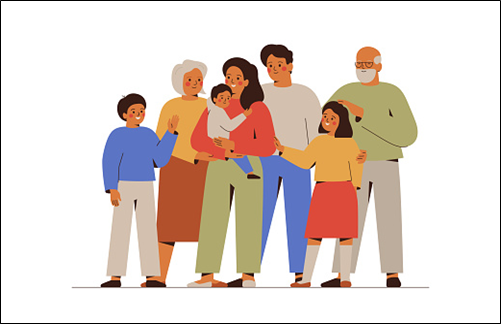
Age is not “just a number.” As one of the few universal experiences, people around the world must learn to navigate what aging looks like for them. And while there is no debating the fact that aging impacts one’s overall health and wellbeing, how this materializes is unique to each person.
One’s chronological age does not necessarily represent the status of one’s health; 30, 50, 65, and 80 look different for everyone. For this reason, it is important that we take a wholistic and personalized approach to aging.
Age is part of a journey, not the destination. While all journeys present challenges, triumphs, and unique experiences, these experiences shape us into the person we become. Remember, age is simply one piece of a much larger puzzle.
Because at the end of the day, each stage of life offers something special, something that makes age so much more than just a number.
Aging is living and making the most of the life you have been given.
Olivia Kuhel is a summer intern at Mcgregor