

For many older adults, driving can represent freedom. It means running errands on a whim, meeting friends for a spontaneous lunch, visiting loved ones, or simply having the flexibility to go wherever the day leads.
So, when it becomes time to consider stepping away from driving, it is natural to feel uncertain. Handing over the keys doesn’t always mean handing over independence. Many people find that life after driving can be just as active and fulfilling. All it takes is a little planning and an open mind.
Know When It’s Time
There isn’t a deadline or a certain age when someone should stop driving. Instead of focusing on age, the focus should be put on how the driver feels. Many older adults continue to drive safely for years, and every person has different abilities. Age alone isn’t the deciding factor.
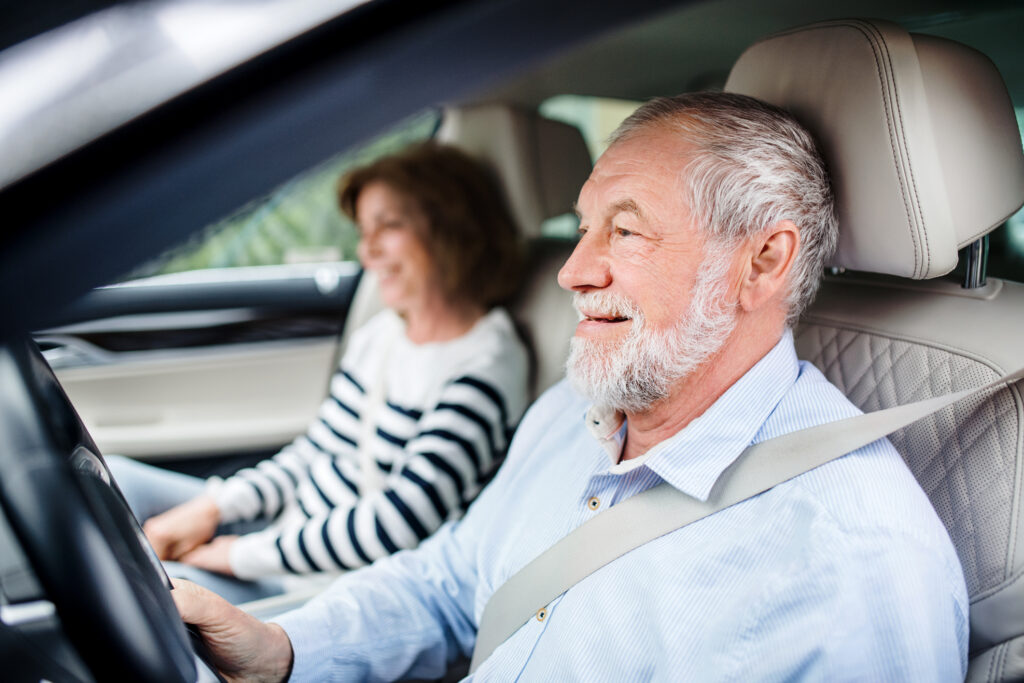
If getting behind the wheel has become stressful or if night driving feels intimidating, it may be time to take a step back and decide if driving is the safest option.While this conversation can be difficult, small changes can be a good place to start. Limiting driving to daytime, avoiding heavy traffic, and choosing familiar routes can help maintain that confidence. For others, it may be time to begin exploring other transportation options.
Changing the Mindset
Rather than focusing on what is being lost, it can be helpful to focus on what is being gained. Many older adults discover unexpected benefits after making the transition away from driving.
Without the stress of traffic, construction, parking, or insane gas prices, outings tend to become more enjoyable. Rather than concentrating on the road ahead, simple conversations can continue, and the scenery can be admired.
Stepping away from driving can also encourage new ways to stay active. Whether that be taking a walk around the neighborhood, walking to visit a friend nearby, or even spending time outside, adding regular movement can be beneficial to both physical and mental health.
This change can also provide opportunities to strengthen relationships. Rather than making every errand alone, trips to the grocery store, appointments, or community gatherings can become a shared experience. Even a simple drive through the city can turn into meaningful conversation and offer quality time together.
Perhaps the greatest benefit is the peace of mind that comes with knowing everyone is safer. Choosing not to drive can ease concerns for both individuals and their loved ones. Without the lingering worry that every trip could bring unexpected risks, time spent together can simply be enjoyed.
A New Chapter of Independence
Getting out of the driver’s seat is simply redefining what independence looks like. Independence isn’t about being behind the driver’s seat, but it’s measured by living life with confidence and making choices that support well-being. Transitions like this may take time, but life doesn’t stop when driving does. Sometimes, a new route can lead to even more opportunities to connect, explore, and enjoy each day.
Anne Dubecky, Marketing and Communication Intern