
The current Hospice care model has been a vital part of compassionate healthcare since the 1960s, helping millions of individuals and their families navigate one of life’s most vulnerable chapters. At its core, hospice is not about giving up, it’s about enhancing quality of life. It offers comfort, dignity, and peace when patients and their families need it most.
Still, many misconceptions remain. Too often, people associate hospice solely with dying, when in reality it’s about living as fully and comfortably as possible. Hospice does not mean “the end”—in fact, many are surprised to learn that it’s possible to graduate from hospice if a patient’s condition improves. Unfortunately, because of these lingering misunderstandings, many individuals are referred too late to experience the full benefits hospice care provides.
A veteran who has been receiving hospice care for several years described his experience as “peaceful.” After more than three decades of military service, he values the respect and attentiveness of his care team. “It’s less stressful having them come to me,” he said. “The nurses are caring, and I’m able to stay connected with my chaplain and family.”
Hospice is not a place—it’s a philosophy of care that meets patients wherever they call home. Whether support is needed for weeks, months, or even longer, our goal is to help each individual and family make the most of the time they have—on their own terms, with compassion and dignity.
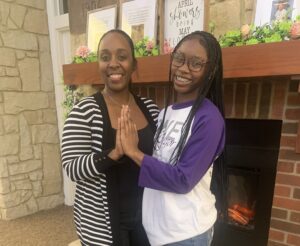
Meghan McGuigan is a McGregor summer intern.