
Understanding the Benefits and Considerations for Seniors and Their Families
As individuals and their families plan for senior living, one of the most important decisions involves selecting the right type of community. Two popular options are Continuing Care Retirement Communities (CCRCs) and stand-alone assisted living facilities. Each has unique characteristics, but choosing a CCRC offers several advantages that can make it a preferable choice for many seniors seeking both independence and peace of mind for the future.
What Is a Continuing Care Retirement Community (CCRC)?
A CCRC is a residential community designed to provide a continuum of care for older adults. Residents can transition smoothly between independent living, assisted living, and skilled nursing care as their health needs change—all within the same community. This integrated approach supports aging in place, reducing the stress and disruption of moving as needs evolve. These are sometimes referred to as a Life Plan Community. Like a cruise ship, you only unpack and move once.
What Is a Stand-Alone Assisted Living Facility?
A stand-alone assisted living facility provides housing, personal care, and support services for seniors who need assistance with daily activities but do not require the intensive medical care provided by nursing homes. These facilities do not typically offer the full range of care levels found in CCRCs.
Key Reasons to Choose a CCRC Over Stand-Alone Assisted Living
- Continuum of Care benefits
- One of the primary advantages of a CCRC is the seamless transition between levels of care. Residents can move from independent living to assisted living and, if needed, to skilled nursing care without relocating to a new facility. This continuity supports emotional well-being and minimizes the stress associated with moving.
- Long-Term Security and Planning to adapt to your lifestyle changes.
- CCRCs allow seniors and their families to plan for future healthcare needs. By entering a CCRC, residents can be confident that their changing needs will be met, often with predictable costs. This long-term approach contrasts with stand-alone assisted living, which may require a move if a higher level of care is needed.
- Social Engagement and Community Life- visit the community you are considering to witness first-hand the engagement among residents and staff.
- CCRCs typically offer a wide range of social, cultural, and recreational activities. With multiple levels of care and a larger resident population, these communities foster vibrant social networks and opportunities for engagement, which are essential for mental and emotional health.
- Comprehensive Amenities and Services tailored to an individual’s needs.
- Many CCRCs provide amenities such as fitness centers, swimming pools, dining venues, and transportation services. These features are designed to support an active and independent lifestyle, often surpassing what is available in stand-alone assisted living facilities.
- Peace of Mind for Families knowing that their loved one is safe and has reliable oversight when needed.
- Family members can have confidence knowing their loved one will receive appropriate care as their needs change, without the need for disruptive moves or searching for new providers. This continuity reduces anxiety and logistical challenges for both residents and their families. Getting to know you–when a community has consistent staff, the relationships among caregivers and residents is much more synchronized and each learns the others’ idiosyncrasies enabling a more seamless and consistent care model.
Considerations When Choosing a CCRC
- Entrance Fees and Contracts- Move in deposit fees, Endowments, Community Fees
- CCRCs often require a substantial entrance fee in addition to monthly fees. Prospective residents should carefully review contracts and financial arrangements to understand the terms and what services are included.
- Length of Commitment- while some may be month-to-month, others may request a certain length of stay.
- Joining a CCRC is a significant commitment. It is important to assess the community’s financial sustainability, stability, reputation, and quality of care before making a decision.
- Individual Needs and Preferences- a community that can adapt to the needs of the residents.
- Not all seniors require the full range of services offered by a CCRC. For those seeking only assisted living, a stand-alone facility may be more cost-effective and appropriate. Ascertain level of care services provided and any associated costs.
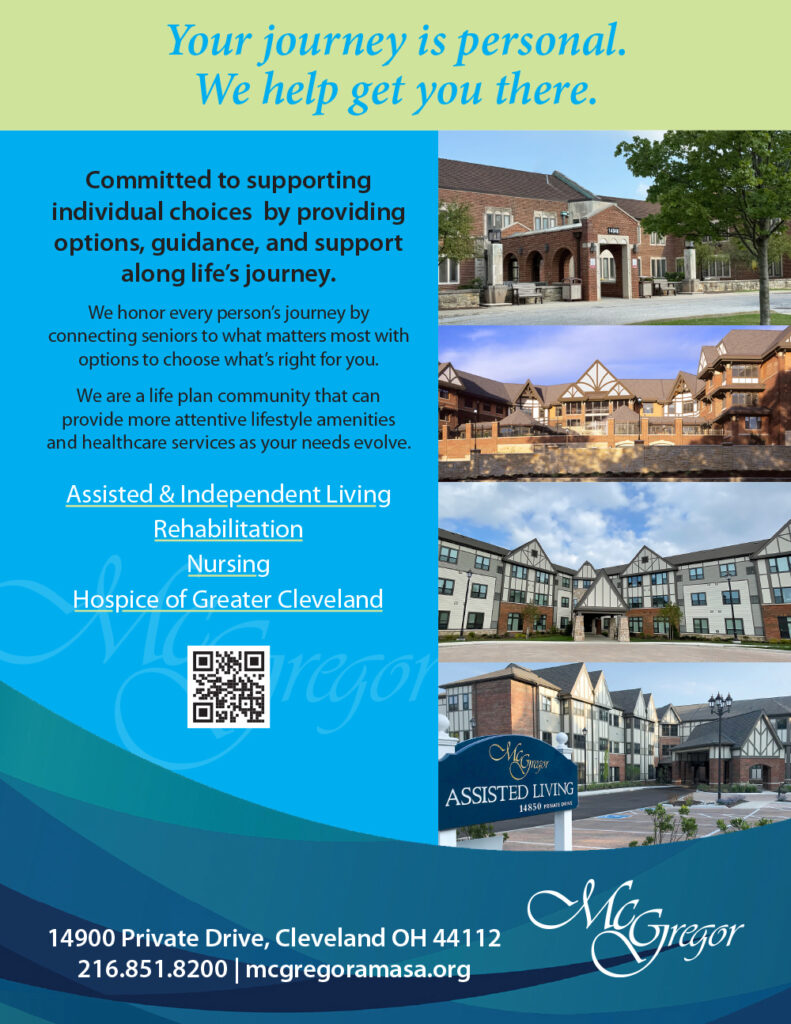
Choosing between a Continuing Care Retirement Community and a stand-alone assisted living facility is a deeply personal decision. For those seeking a comprehensive, long-term solution with the flexibility to adapt to changing care needs, a CCRC offers significant advantages in terms of continuity, security, and lifestyle. However, it is essential to consider individual preferences, health status, and financial resources before making a final choice.
#McGregorSeniorLiving #McGregorLegacyofCare #McGregor